
设计简介
摘 要
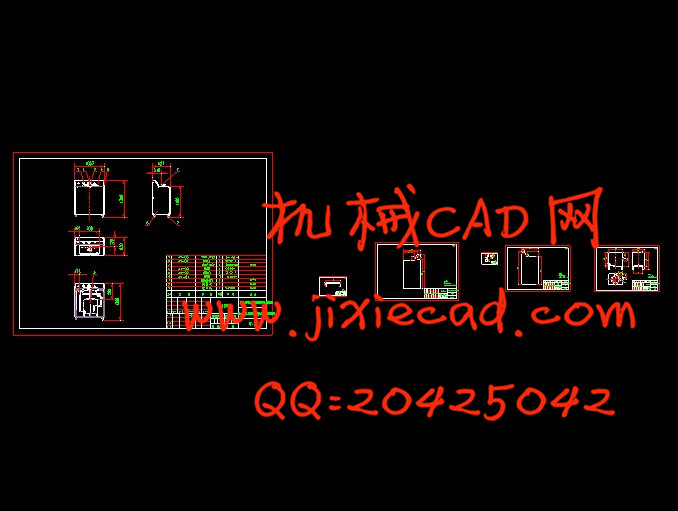
限压式变量叶片泵作为液压元件之一,在实际生产中得到广泛的应用。限压式变量叶片泵能按负载大小自动调节流量,功率利用合理,可减少油液发热,故常用于执行元件有快慢速要求或有保压要求的场合。快速时负载小,压力低。
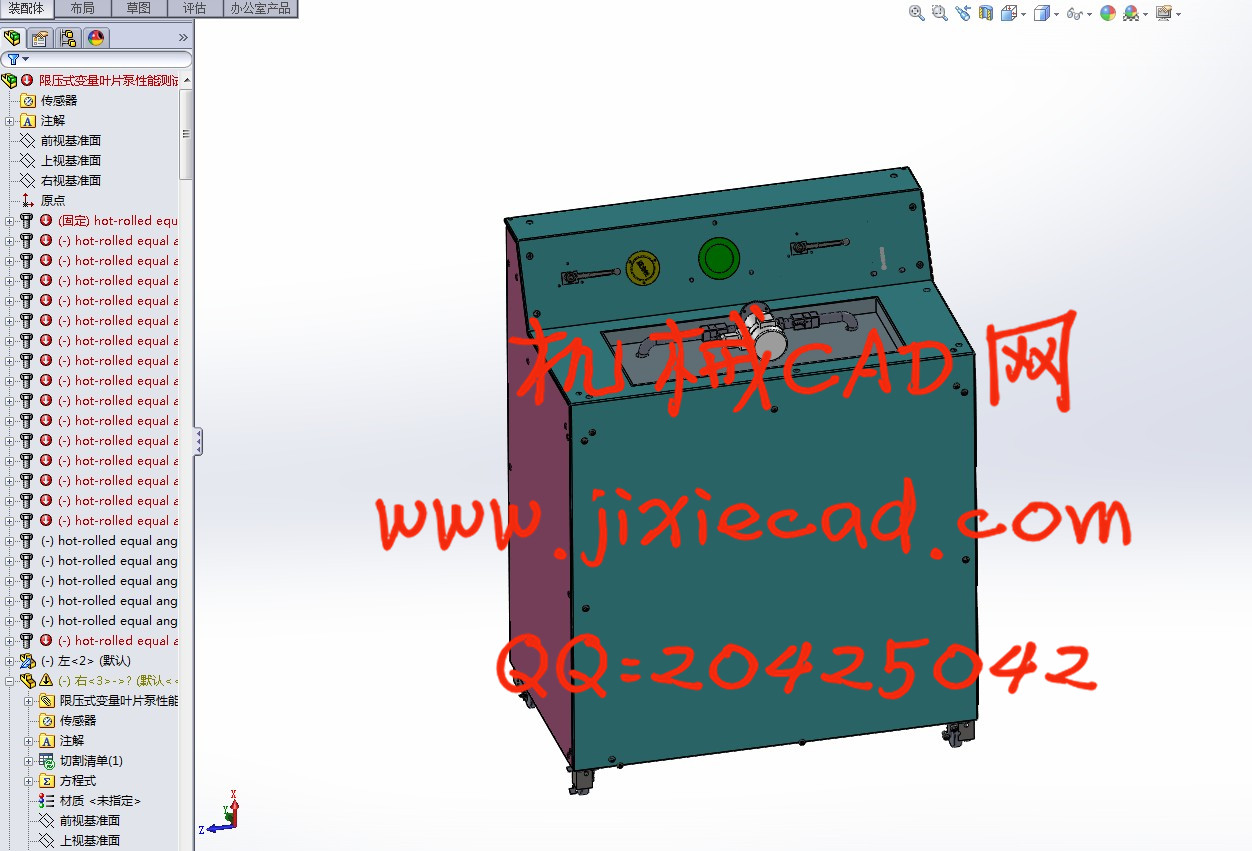
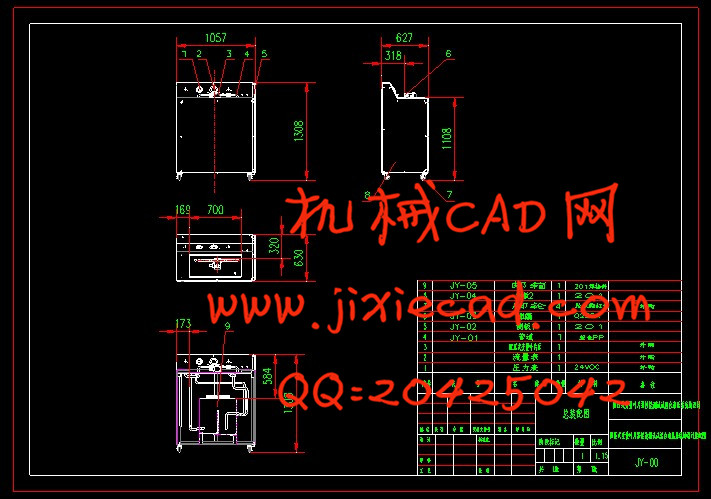
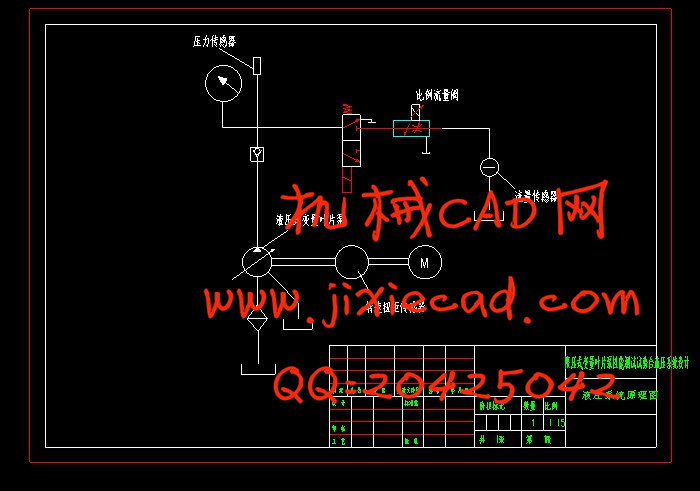
慢速进给时,负载大,压力高,流量小,泵自动转换到特性曲线段。保压时,在近点工作,提供小流量以补偿系统泄漏这种限压式变量叶片泵的额定压力为6.3pa,从另外一方面来说,叶片泵作为液压系统的动力源,对液压系统的好坏起绝对的作用,有着巨大的影响。因此,限压式变量泵性能测试的工作台的建设很重要;本文重点讲述了限压式变量叶片泵的分类,工作原理以及在实际当中的应用,对限压式变量叶片泵的进行静态特性实验分析以及对试验台的结构进行了设计。
关键词: 限压式变量叶片泵 液压元件 流量 工作台
absraote
Pneumatic manipulator is a automated devices that can mimic the human hand and arm movements to do something,aslo can according to a fixed procedure to moving objects or control tools. It can replace the heavy labor in order to achieve the production mechanization and automation, and can work in dangerous working environments to protect the personal safety, Therefore widely used in machine building, metallurgy, electronics, light industry and atomic energy sectors.
This article is mainly of the pneumatic manipulator the overall design, and pneumatic design. This mechanism of manipulator includes cylinders and claws and connectors parts, it can move according to the due track on the movement of grabbing, carrying and unloading. The pneumatic part of the design is primarily to choose the right valves and design a reasonable pneumatic control loop, by controlling and regulating pressure, flow and direction of the compressed air to make it get the necessary strength, speed and changed the direction of movement in the prescribed procedure work.It can replace the heavy labor in order to achieve the production mechanization and automation, and can work in dangerous working environments to protect the personal safety, Therefore widely used in machine building, metallurgy, electronics, light industry and atomic .The principle, technical pare-maters, transmiting system and main parts structure of mincing ma-chine were introduced.The productingcapacity was analysed.Keywords Mincing machine Holds plate Cutting blade Transfer auger.
Key word: pneumatic manipulator cylinder pneumatic loop Four degrees of freedom.
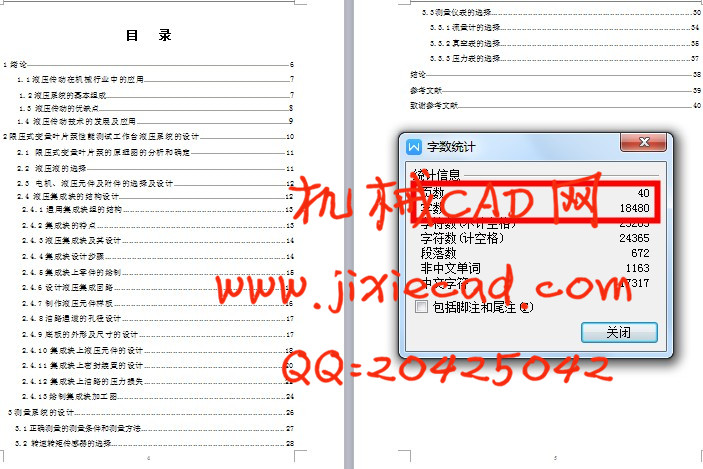
目 录
1绪论 6
1.1液压传动在机械行业中的应用.........................................................................7
1.2液压系统的基本组成............................................................................................7
1.3 液压传动的优缺点...............................................................................................8
1.4液压传动技术的发展及应用............................................................................9
2限压式变量叶片泵性能测试工作台液压系统的设计...........................................10
2.1 限压式变量叶片泵的原理图的分析和确定 11
2.2 液压液的选择 11
2.3 电机、液压元件及附件的选择及设计 12
2.4液压集成块的结构设计...................................................................................12
2.4.1通用集成块组的结构.................................................................13
2.4.2集成块的特点............................................................................13
2.4.3液压集成块及其设计..................................................................14
2.4.4集成块设计步骤.........................................................................14
2.4.5集成块上零件的绘制..................................................................15
2.4.6设计液压集成回路.....................................................................16
2.4.7制作液压元件样板.....................................................................16
2.4.8油路通道的孔径设计..................................................................17
2.4.9底板的外形及尺寸的设计...........................................................17
2.4.10集成块上液压元件的设计.........................................................18
2.4.11集成块上密封装置的设计.........................................................20
2.4.12集成块上油路的压力损失.........................................................22
2.4.13绘制集成块加工图....................................................................24
3测量系统的设计.....................................................................................26
3.1正确测量的测量条件和测量方法..........................................................27
3.2 转速转矩传感器的选择......................................................................28
3.3测量仪表的选择.................................................................................30
3.3.1流量计的选择.............................................................................34
3.3.2真空表的选择.............................................................................35
3.3.3压力表的选择.............................................................................37
结论 38
参考文献 39
致谢参考文献 40
限压式变量叶片泵作为液压元件之一,在实际生产中得到广泛的应用。限压式变量叶片泵能按负载大小自动调节流量,功率利用合理,可减少油液发热,故常用于执行元件有快慢速要求或有保压要求的场合。快速时负载小,压力低。
慢速进给时,负载大,压力高,流量小,泵自动转换到特性曲线段。保压时,在近点工作,提供小流量以补偿系统泄漏这种限压式变量叶片泵的额定压力为6.3pa,从另外一方面来说,叶片泵作为液压系统的动力源,对液压系统的好坏起绝对的作用,有着巨大的影响。因此,限压式变量泵性能测试的工作台的建设很重要;本文重点讲述了限压式变量叶片泵的分类,工作原理以及在实际当中的应用,对限压式变量叶片泵的进行静态特性实验分析以及对试验台的结构进行了设计。
关键词: 限压式变量叶片泵 液压元件 流量 工作台
absraote
Pneumatic manipulator is a automated devices that can mimic the human hand and arm movements to do something,aslo can according to a fixed procedure to moving objects or control tools. It can replace the heavy labor in order to achieve the production mechanization and automation, and can work in dangerous working environments to protect the personal safety, Therefore widely used in machine building, metallurgy, electronics, light industry and atomic energy sectors.
This article is mainly of the pneumatic manipulator the overall design, and pneumatic design. This mechanism of manipulator includes cylinders and claws and connectors parts, it can move according to the due track on the movement of grabbing, carrying and unloading. The pneumatic part of the design is primarily to choose the right valves and design a reasonable pneumatic control loop, by controlling and regulating pressure, flow and direction of the compressed air to make it get the necessary strength, speed and changed the direction of movement in the prescribed procedure work.It can replace the heavy labor in order to achieve the production mechanization and automation, and can work in dangerous working environments to protect the personal safety, Therefore widely used in machine building, metallurgy, electronics, light industry and atomic .The principle, technical pare-maters, transmiting system and main parts structure of mincing ma-chine were introduced.The productingcapacity was analysed.Keywords Mincing machine Holds plate Cutting blade Transfer auger.
Key word: pneumatic manipulator cylinder pneumatic loop Four degrees of freedom.
目 录
1绪论 6
1.1液压传动在机械行业中的应用.........................................................................7
1.2液压系统的基本组成............................................................................................7
1.3 液压传动的优缺点...............................................................................................8
1.4液压传动技术的发展及应用............................................................................9
2限压式变量叶片泵性能测试工作台液压系统的设计...........................................10
2.1 限压式变量叶片泵的原理图的分析和确定 11
2.2 液压液的选择 11
2.3 电机、液压元件及附件的选择及设计 12
2.4液压集成块的结构设计...................................................................................12
2.4.1通用集成块组的结构.................................................................13
2.4.2集成块的特点............................................................................13
2.4.3液压集成块及其设计..................................................................14
2.4.4集成块设计步骤.........................................................................14
2.4.5集成块上零件的绘制..................................................................15
2.4.6设计液压集成回路.....................................................................16
2.4.7制作液压元件样板.....................................................................16
2.4.8油路通道的孔径设计..................................................................17
2.4.9底板的外形及尺寸的设计...........................................................17
2.4.10集成块上液压元件的设计.........................................................18
2.4.11集成块上密封装置的设计.........................................................20
2.4.12集成块上油路的压力损失.........................................................22
2.4.13绘制集成块加工图....................................................................24
3测量系统的设计.....................................................................................26
3.1正确测量的测量条件和测量方法..........................................................27
3.2 转速转矩传感器的选择......................................................................28
3.3测量仪表的选择.................................................................................30
3.3.1流量计的选择.............................................................................34
3.3.2真空表的选择.............................................................................35
3.3.3压力表的选择.............................................................................37
结论 38
参考文献 39
致谢参考文献 40