
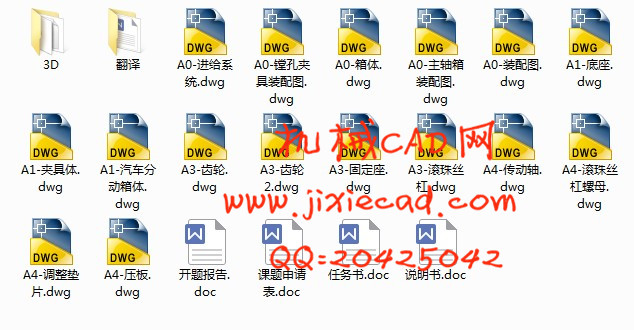
设计简介
摘 要
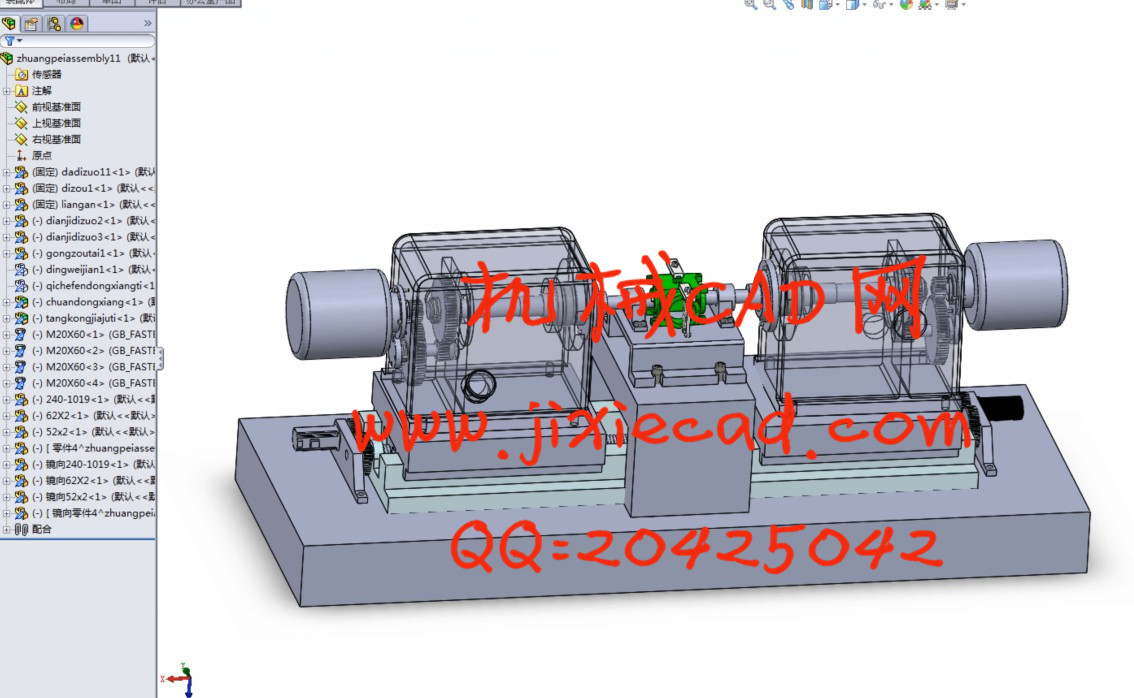
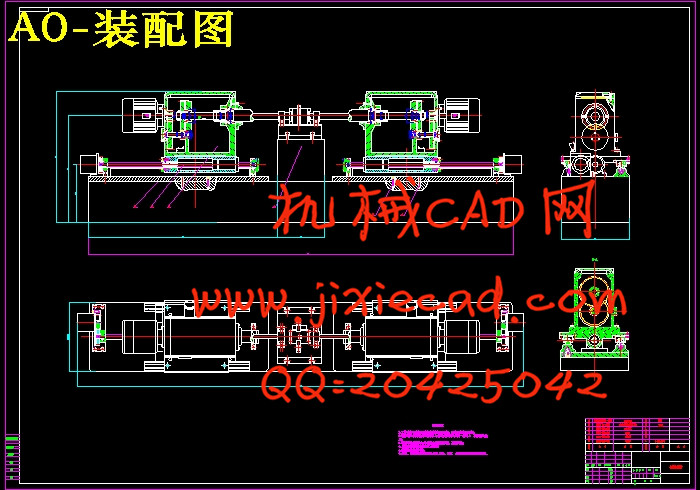
本文主要说明专用机床设计的基本过程及要求。专用机床是按高度集中原则设计的,即在一台机床上可以同时完成同一种工序或多种不同工序的加工。专用机床发展于工业生产末期,与传统的机床相比:专用机床具有许多优点:效率高、精度高、成本低。它由底座、立柱、工作台、及电源一些基本部件及一些特殊部件,根据不同的工件加工所需而设计的。在专用机床上可以完成很多工序,但就目前使用的大多数专用机床来说,则主要用于平面加工和孔加工两大类工序。论文主要内容包括四大部分:
(1)、制定工艺方案 通过了解被加工零件的加工特点、精度和技术要求、定位夹紧情况、生产效率及机床的结构特点等,确定在专用机床上完成的工艺内容及加工方法,并绘制被加工零件工序图。
(2)、专用机床的总体设计 确定机床各部件之间的相互关系
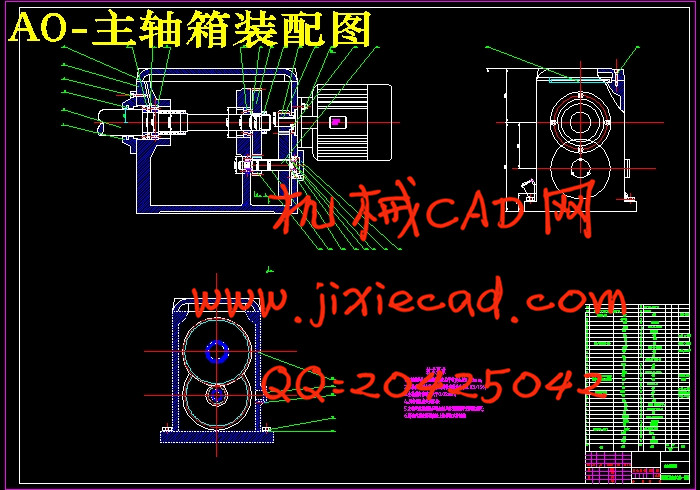
(3)、专用机床部件设计 包括专用多轴箱的设计,传动布局合理,轴与齿轮之间不发生干涉,保证传动的平稳性和精确性。专用主轴设计、轴承的选用及电机的选择等。
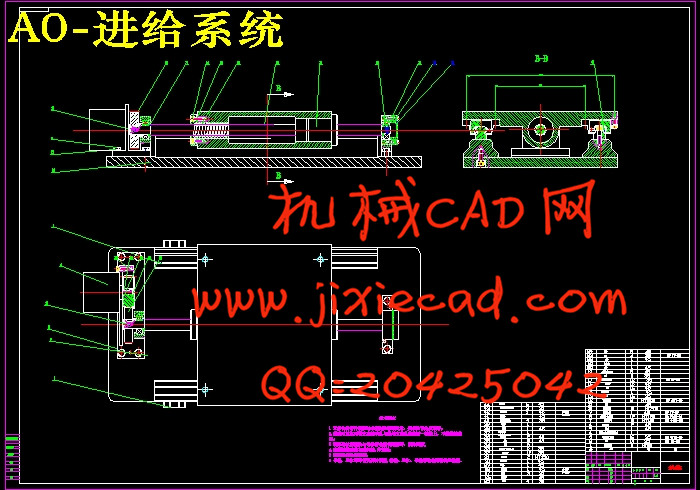
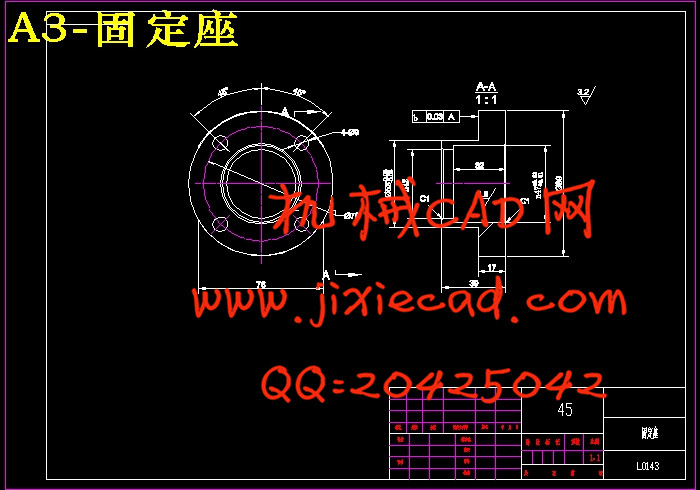
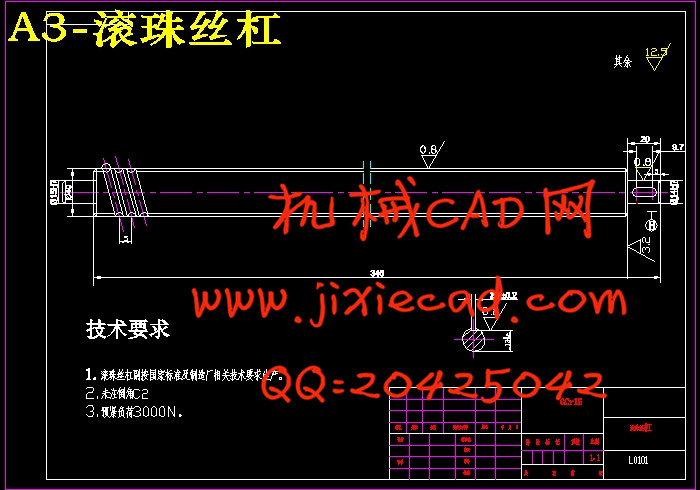
本课题主要完成专用机床进给机构及底座部分的设计与计算分析。
关键词:专用机床;设计;过程;功能
This thesis mainly elucidates the basic process and requirements that design of the combination machine. Combination machine is designed according the fundamental , which highly centralized ,or , more correctly it can process one working procedure or more different working procedures at one time . Combination machine was developed in the end of industrial production compared with traditional machine; combination machine has many advantages , such as high efficiency , high accuracy and low cost . It is composed of some general parts , such as bed ,column ,work able ,power unit ,and some special parts designed according to different work piece machining need.
The preface of a lot of works can be completed on the combination machine, but in regard to the majority current usage of combination machine, then and primarily used for the flat surface to process and the bore to process two big work preface. The main part including :(1) Formulating technological plan We,ve learned the characteristic of the part designed ,accuracy and specification ,locating and fixing ,productivity and machining structure by the practice .Then the technological operation and work order can be determined which can be finished in combination machine.(2) Combination machine frame design determines the interrelation of the different part in the machining tool ,select general parts and tool oriented .Then compute cut feed and productivity finally draw a sketch map of the machine .(3) Combination machine parts design including headstock、proper transmission layout 、shaft and gear move freely without interference which ensure the stability and accuracy during transmission ,then design dedicated select bearings and engine etc.(4) It adopts many hydraulic control valves ,which ensure the stability ,circulation and accuracy .
Keywords: combination machine ;design ;process ;function
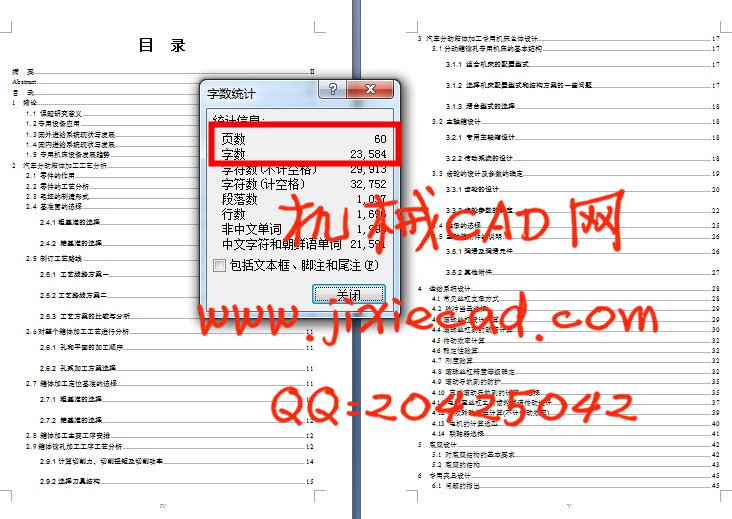
目 录
摘 要 IIAbstract III
目 录 IV
1 绪论 1
1.1 课题研究意义 1
1.2专用设备应用 1
1.3国外进给系统现状与发展 2
1.4国内进给系统现状与发展 2
1.5 专用机床设备发展趋势 4
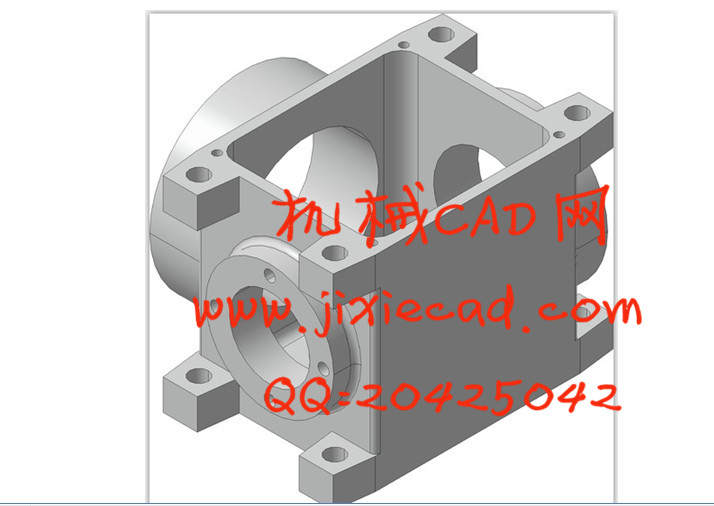
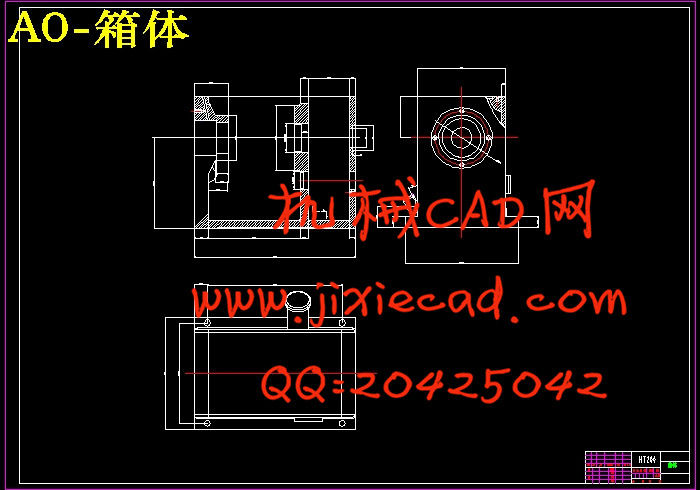
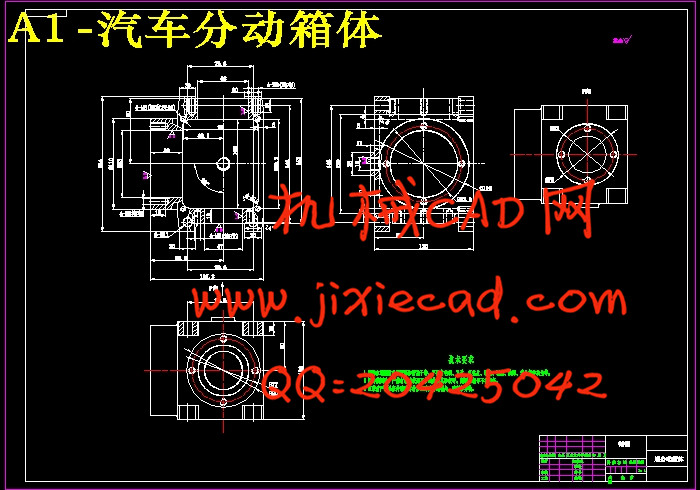
2 汽车分动箱体加工工艺分析 5
2.1 零件的作用 5
2.2 零件的工艺分析 5
2.3 毛坯的制造形式 6
2.4 基准面的选择 6
2.4.1粗基准的选择 6
2.4.2 精基准的选择 6
2.5 制订工艺路线 6
2.5.1 工艺线路方案一 7
2.5.2工艺路线方案二 8
2.5.3 工艺方案的比较与分析 9
2.6对整个箱体加工工艺进行分析 11
2.6.1 孔和平面的加工顺序 11
2.6.2 孔系加工方案选择 11
2.7 箱体加工定位基准的选择 11
2.7.1 粗基准的选择 11
2.7.2 精基准的选择 12
2.8 箱体加工主要工序安排 12
2.9箱体镗孔加工工序工艺分析 12
2.9.1计算切削力、切削扭矩及切削功率 14
2.9.2选择刀具结构 15
3 汽车分动箱体加工专用机床总体设计 17
3.1分动箱镗孔专用机床的基本结构 17
3.1.1 组合机床的配置型式 17
3.1.2 选择机床配置型式和结构方案的一些问题 17
3.1.3 滑台型式的选择 18
3.2 主轴箱设计 18
3.2.1 专用主轴箱设计 18
3.2.2传动系统的设计 18
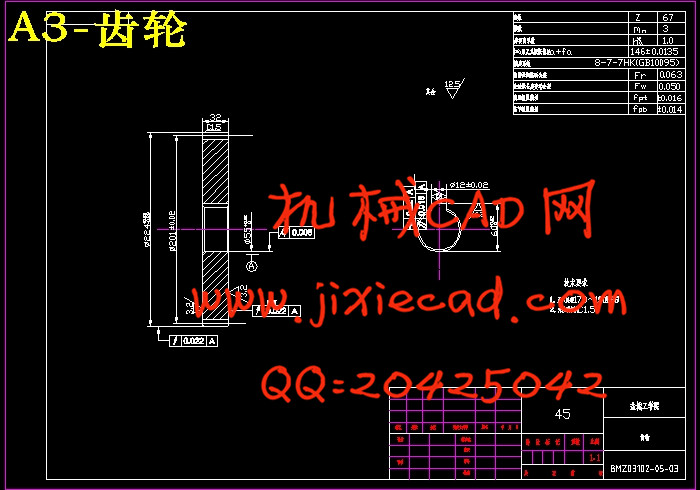
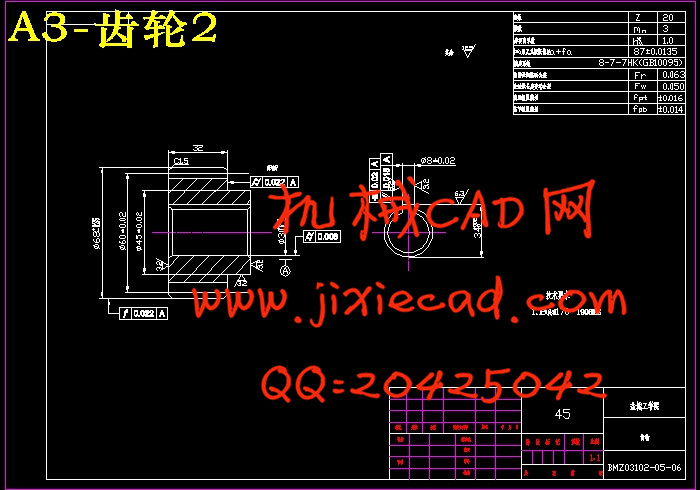
3.3 齿轮的设计及参数的确定 19
3.3.1齿轮的设计 20
3.3.2齿轮参数的确定 22
3.4 轴承的选择 25
3.5 主轴箱附件的说明 26
3.5.1润滑及润滑元件 26
3.5.2其他附件 27
4 进给系统设计 28
4.1常见丝杠支承方式 28
4.2 脉冲当量选择 29
4.3滚珠丝杠设计计算 29
4.4滚珠丝杠副的载荷计算 30
4.5传动效率计算 32
4.6稳定性验算 32
4.7 刚度验算 32
4.8 滚珠丝杠精度等级确定 32
4.9 滚动导轨副的防护 35
4.10 直线滚动导轨副的计算、选择 35
4.11电机至丝杠之间齿轮减速传动设计 37
4.12等效转动惯量计算(不计传动效率) 39
4.13 电机的计算选型 40
4.14 联轴器选择 41
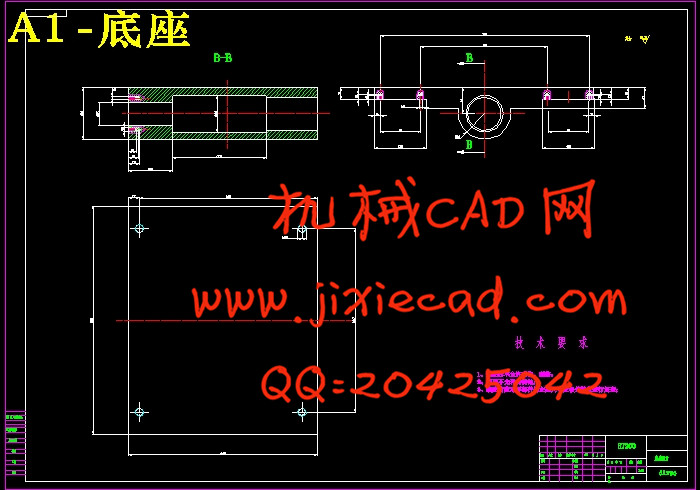
5 底座设计 42
5.1 对底座结构的基本要求 42
5.2 底座的结构 43
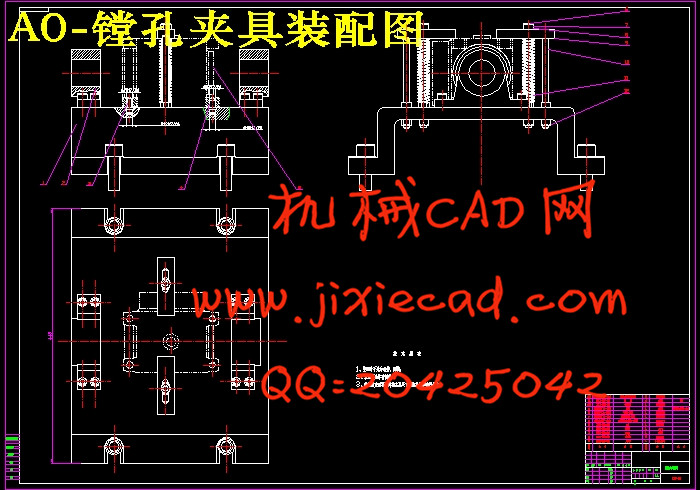
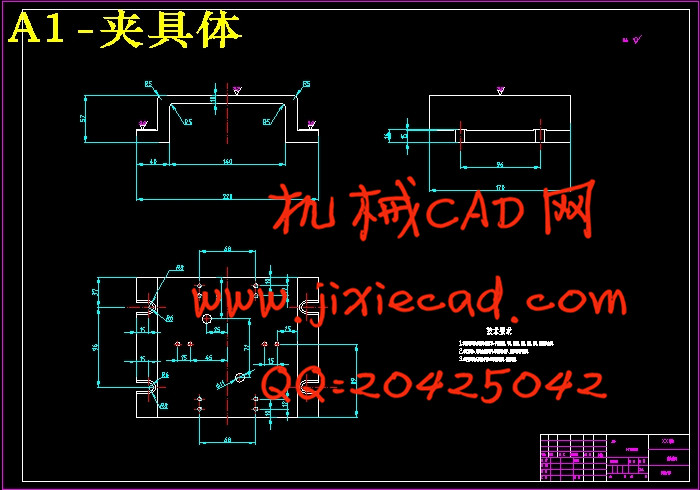
6 专用夹具设计 45
6.1 问题的指出 45
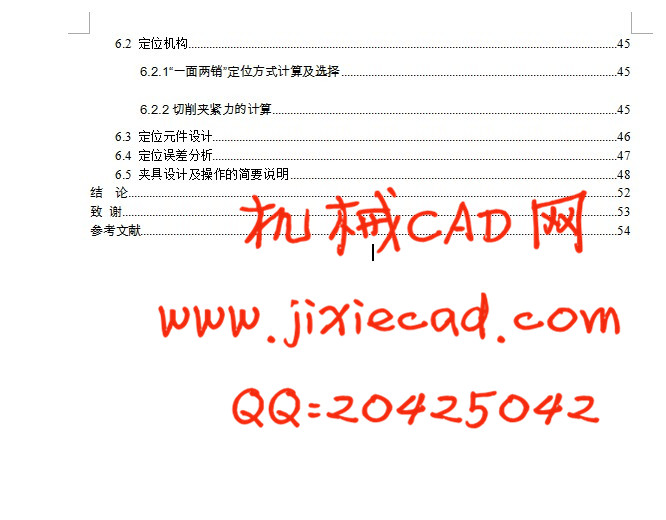
6.2 定位机构 45
6.2.1“一面两销”定位方式计算及选择 45
6.2.2切削夹紧力的计算 45
6.3 定位元件设计 46
6.4 定位误差分析 47
6.5 夹具设计及操作的简要说明 48
结 论 52
致 谢 53
参考文献 54