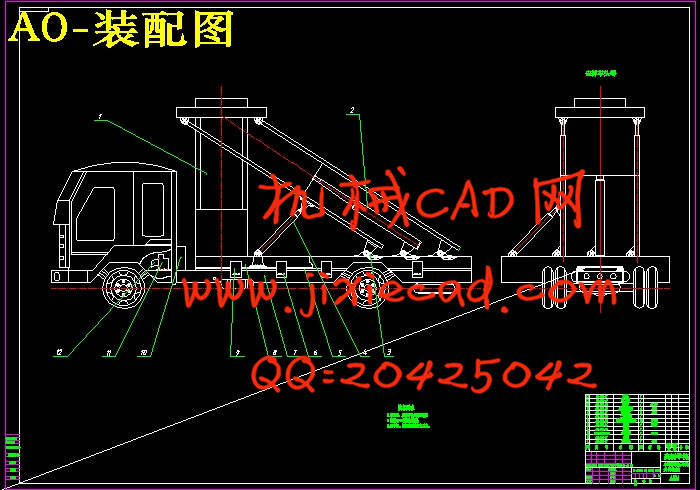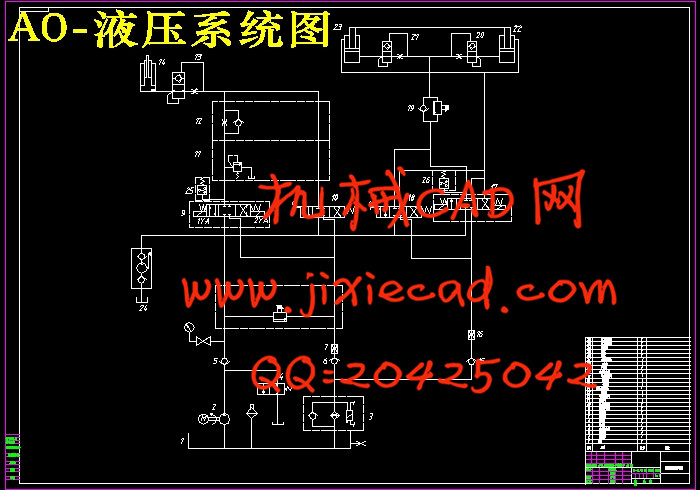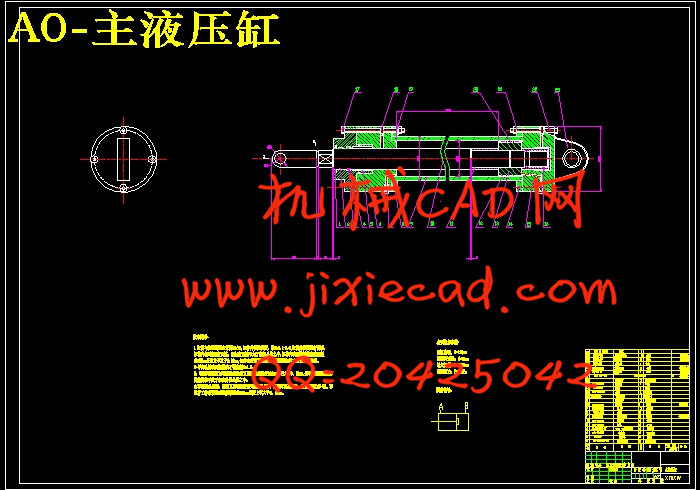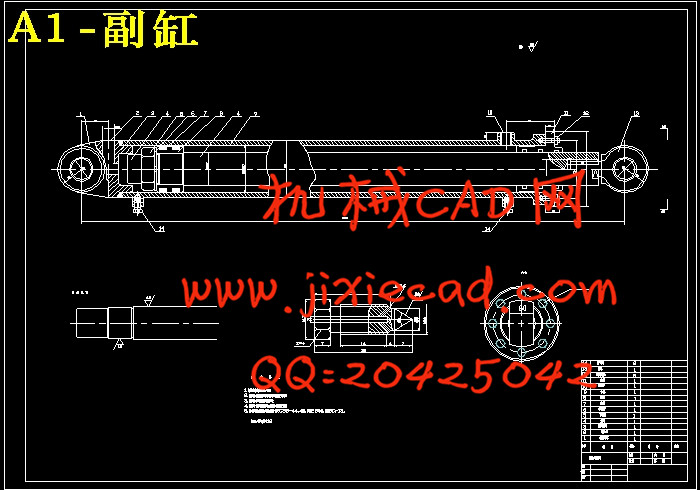


设计简介
摘 要
本液压系统以传递动力为主,保证足够的动力是其基本要求。另外,还要考虑系统的稳定性、可靠性、可维护性、安全性及效率。其中稳定是指系统工作时的运动平稳性及系统性能的稳定性(如环境温度对油液的影响等因素)。可靠性是指系统不因意外的原因而无法工作(如油管破裂、无电等情况)。可维护性是指系统尽可能简单,元件尽可能选标准件,结构上尽可能使维护方便.安全性是指不因液压系统的故障导致天线架的倒塌或其它事故(如下降时失控,天线由于重力加速下落).效率是指液压系统的各种能量损失尽可能的小。上述要求中,除满足系统的动力要求外,最重要的是保证系统的安全性和可靠性。关键词:液压系统,车载,雷达天线,升降机构
Abstract
The hydraulic system to transfer power, ensure adequate power is its basic requirement. In addition, consider the system stability, reliability, maintainability, safety and efficiency. The stabilizing means when the system works steady motion and system performance stability (such as environmental temperature on the influence of oil etc). Reliability refers to the system is not due to accident reason to work ( such as tubing rupture without electricity, etc. ). Maintainability is referred to the system as simple as possible, element is chosen as far as possible standard parts, structure as much as possible so that the maintenance is convenient. Security is not due to the fault of the hydraulic system causes the antenna frame collapse or other accidents (such as the drop out of control, antenna due to gravity acceleration whereabouts ) . Efficiency refers to the hydraulic system of the various energy loss as small as possible. The above requirements, in addition to meet the power requirements, the most important thing is to ensure the safety and reliability of the system.Keywords: hydraulic system, vehicle, radar antenna, lifting mechanism
目 录
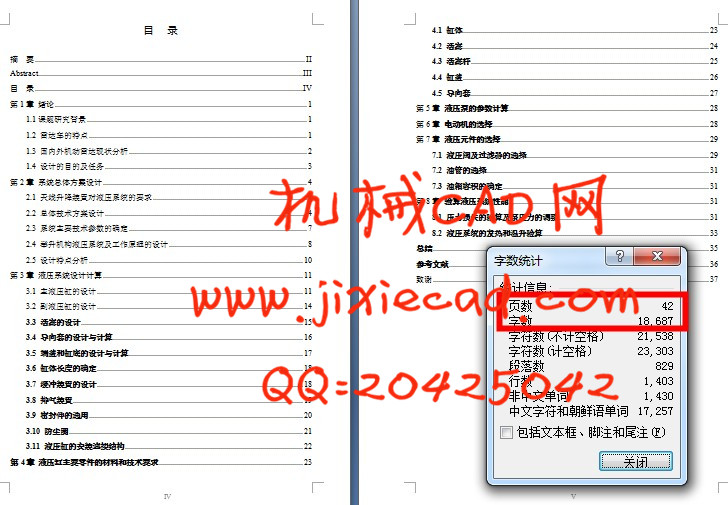
摘 要 IIAbstract III
目 录 IV
第1章 绪论 1
1.1课题研究背景 1
1.2 雷达车的特点 1
1.3 国内外机动雷达现状分析 2
1.4 设计的目的及任务 3
第2章 系统总体方案设计 4
2.1 天线升降装置对液压系统的要求 4
2.2 总体技术方案设计 4
2.3 系统主要技术参数的确定 7
2.4 举升机构液压系统及工作原理的设计 8
2.5 设计特点分析 10
第3章 液压系统设计计算 11
3.1 主液压缸的设计 11
3.2 副液压缸的设计 14
3.3 活塞的设计 15
3.4 导向套的设计与计算 16
3.5 端盖和缸底的设计与计算 17
3.6 缸体长度的确定 18
3.7 缓冲装置的设计 18
3.8 排气装置 19
3.9 密封件的选用 20
3.10 防尘圈 21
3.11 液压缸的安装连接结构 22
第4章 液压缸主要零件的材料和技术要求 23
4.1 缸体 23
4.2 活塞 24
4.3 活塞杆 25
4.4 缸盖 26
4.5 导向套 27
第5章 液压泵的参数计算 28
第6章 电动机的选择 28
第7章 液压元件的选择 29
7.1 液压阀及过滤器的选择 29
7.2 油管的选择 31
7.3 油箱容积的确定 31
第8章 验算液压系统性能 31
8.1 压力损失的验算及泵压力的调整 31
8.2 液压系统的发热和温升验算 33
总结 35
参考文献 36
致谢 37