
设计简介
摘 要
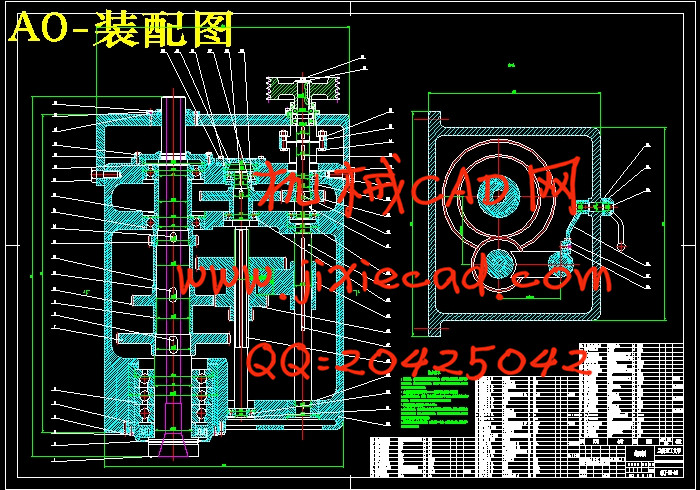
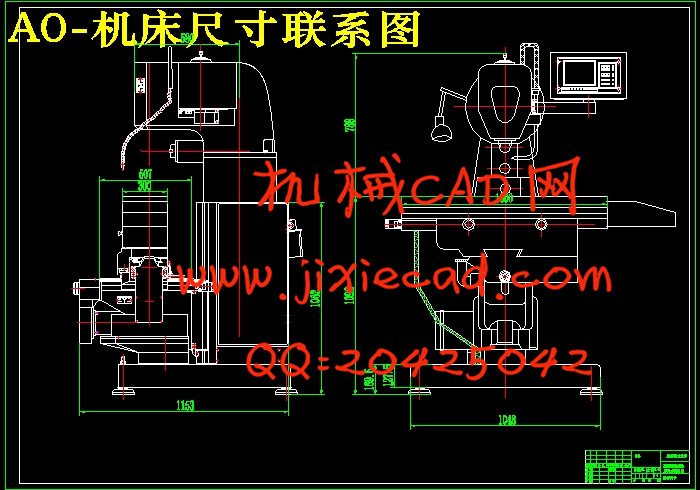
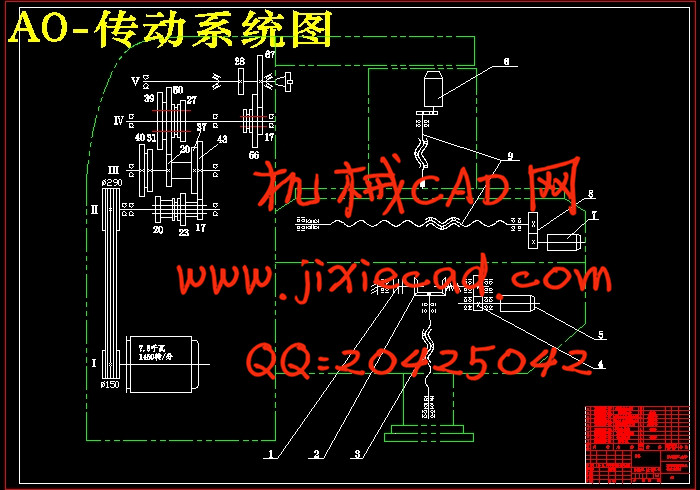
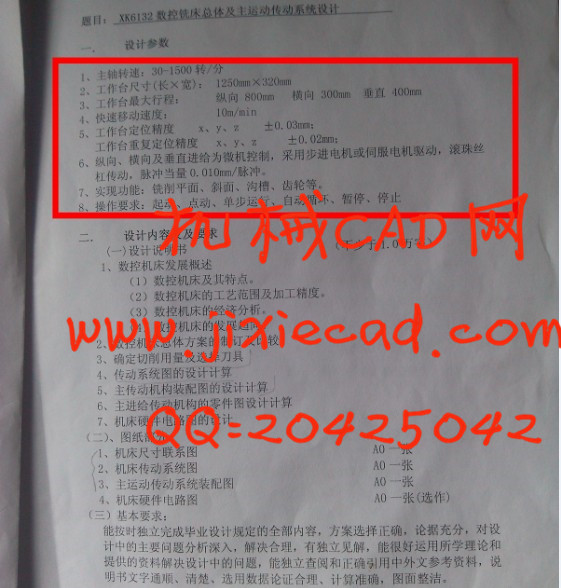
针对现有常规XK6132数控铣床铣床的缺点提出数控设计方案和单片机系统设计,提高加工精度和扩大机床使用范围,并提高生产率。本论文说明了万能升降台铣床的数控化设计的设计过程,较详尽地介绍了XK6132数控铣床铣床机械设计部分的设计及数控系统部分的设计。采用以8031为CPU的控制系统对信号进行处理,由I/O接口输出步进脉冲,经一级齿轮传动减速后,带动滚动丝杠转动,从而实现垂直的进给运动。
设计过程如下:(1)机械部分的设计,包括总体设计方案的确定和纵向进给方向的设计。主要包括对滚珠丝杠螺母副及反应式步进电机的计算选择及垂直进给机构装配图方案的制定。(2)电气控制部分的设计,主要包括MCS-51系列单片机及扩展芯片的选用和电气控制图的设计。
关键词:数控,单片机,步进电机,滚珠丝杠,设计
ABSTRACT
Conventional existing XK6132 universal lifting platform milling machine numerical control transformation of the disadvantages of the proposed scheme and design of a single chip microcomputer system, improve the processing precision and extend the machine's usage, and to improve productivity. This paper illustrates the universal lifting platform milling machine numerical control transformation of the design process, a more detailed description of the XK6132 universal lifting platform milling machine transformation part of the design and numerical control system design. Using 8031 as the CPU control system of signal processing by the I/O interface, and output the step pulse, through a gear reducer, drive the leading screw to roll, so as to realize the vertical movement of the feed.针对现有常规XK6132数控铣床铣床的缺点提出数控设计方案和单片机系统设计,提高加工精度和扩大机床使用范围,并提高生产率。本论文说明了万能升降台铣床的数控化设计的设计过程,较详尽地介绍了XK6132数控铣床铣床机械设计部分的设计及数控系统部分的设计。采用以8031为CPU的控制系统对信号进行处理,由I/O接口输出步进脉冲,经一级齿轮传动减速后,带动滚动丝杠转动,从而实现垂直的进给运动。
设计过程如下:(1)机械部分的设计,包括总体设计方案的确定和纵向进给方向的设计。主要包括对滚珠丝杠螺母副及反应式步进电机的计算选择及垂直进给机构装配图方案的制定。(2)电气控制部分的设计,主要包括MCS-51系列单片机及扩展芯片的选用和电气控制图的设计。
关键词:数控,单片机,步进电机,滚珠丝杠,设计
ABSTRACT
Reform process as follows: ( 1) the reformation of machine part, including the overall reconstruction scheme and vertical feed direction of reformation. Consisting mainly of ball screw pair and reaction stepper motor selection and calculation of vertical feeding mechanism assembly plan. ( 2) the electrical control design, including MCS-51 Series MCU and the expansion of the chip selection and electrical control diagram design.
Keywords: numerical control ,single-chip ,stepping motor , ball screw shaft ,reform
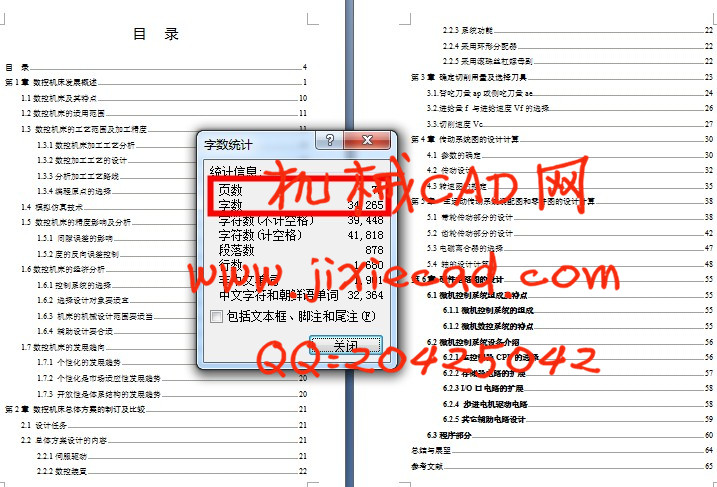
目 录
目 录 4
第1章 数控机床发展概述 1
1.1数控机床及其特点 10
1.2数控机床的适用范围 11
1.3 数控机床的工艺范围及加工精度 11
1.3.1数控机床加工工艺分析 11
1.3.2数控加工工艺的设计 12
1.3.3分析加工工艺路线 12
1.3.4编程原点的选择 12
1.4 模拟仿真技术 12
1.5 数控机床的精度影响及分析 13
1.5.1 间隙误差的影响 13
1.5.2度的反向误差控制 14
1.6数控机床的经济分析 15
1.6.1控制系统的选择 16
1.6.2 选择设计对象要适宜 17
1.6.3 机床的机械设计范围要适当 17
1.6.4 辅助设计要合适 18
1.7数控机床的发展趋向 19
1.7.1 个性化的发展趋势 19
1.7.2 个性化是市场适应性发展趋势 20
1.7.3 开放性是体系结构的发展趋势 20
第2章 数控机床总体方案的制订及比较 21
2.1 设计任务 21
2.2 总体方案设计的内容 21
2.2.1伺服驱动 21
2.2.2数控装置 22
2.2.3系统功能 22
2.2.4采用环形分配器 22
2.2.5采用滚珠丝杠螺母副 22
第3章 确定切削用量及选择刀具 23
3.1.背吃刀量ap或侧吃刀量ae 24
3.2.进给量f 与进给速度Vf的选择 26
3.3.切削速度Vc 27
第4章 传动系统图的设计计算 30
4.1 参数的确定 30
4.2 传动设计 32
4.3转速图的拟定 35
第5章 主运动传动系统装配图和零件图的设计计算 38
5.1 带轮传动部分的设计 38
5.2 齿轮传动部分的设计 42
5.3电磁离合器的选择 47
5.4 轴的设计计算 48
第6章 硬件电路图的设计 55
6.1微机控制系统组成及特点 55
6.1.1微机控制系统的组成 55
6.1.2微机数控系统的特点 55
6.2微机控制系统设备介绍 56
6.2.1主控制器CPU的选择 56
6.2.2存储器电路的扩展 57
6.2.3 I/O口电路的扩展 58
6.2.4 步进电机驱动电路 58
6.2.5其它辅助电路设计 59
6.3程序部分 60
总结与展望 64
参考文献 65
致 谢 66