
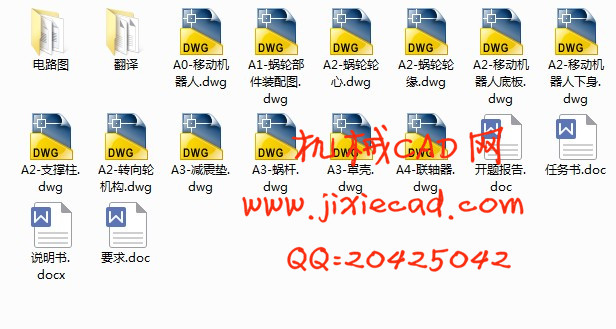
设计简介
摘 要
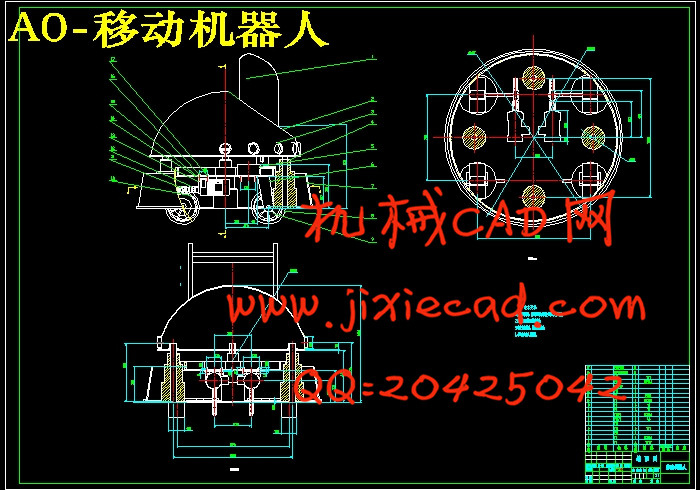
移动机器人是一种由传感器、自主控制的移动载体组成的机器人系统。移动移动机器人具有移动功能,在代替人从事危险、恶劣(如辐射、有毒等)环境下作业和人所不及的(如宇宙空间、水下)作业环境方面,具有有更大的机动性,灵活性。本课题是设计一款由手机控制的娱乐移动机器人设计。本文对各种移动移动机器人进行了比较,从而确定了四轮式移动机器人总体结构与参数的研究设计。本文对四轮式移动移动机器人的运动学进行了探讨,建立了运动学模型。在建立运动学模型的基础上对移动机器人的基本运动方式进行了分析,并推到计算出其动力学模型。本文采用基于单片机的直流伺服运动控制系统,设计了单片机各个端口和各个执行机构的电路图,为后续的研究提供可靠的参考和依据。
关键词:移动机器人;单片机;运动控制
Abstract
Smart car is a robot system consists of sensors, autonomous control of mobile carrier. Mobile Smart car has a mobile function, instead of engaging in dangerous conditions (such as radiation, toxic, etc.) operating environment and the people that fall (such as space, underwater) operating environment, with greater mobility, flexible.
This topic is designed to design a smart car entertainment from your phone to control. In this paper, a variety of mobile smart car were compared to determine the research design intelligent four-wheel car overall structure and parameters. In this paper, the kinematics wheel mobile smart car is discussed, the establishment of a kinematic model. On the basis of the establishment of the kinematic model of the basic movement pattern of the smart car is analyzed, and pushed to calculate the dynamic model. In this paper, based on single-chip DC servo motion control system, designed circuit diagram microcontroller various ports and various implementing agencies to provide reliable reference and basis for further research.
Keywords: Smart Car; SCM; Motion Control
目 录
摘 要 III
Abstract IV
目 录 V
1 绪论 4
1.1 本课题的研究内容和意义 4
1.2 移动移动机器人国内外研究现状 4
1.2.1 移动移动机器人的发展趋势 6
1.2.2 国内关于远程终端控制移动机器人的研究现状 8
1.3 本文研究的主要内容 9
2 移动移动机器人行走机构的总体结构和参数 10
2.1 移动机器人运动方式的选择 10
2.2 轮式移动机器人移动能力分析 12
2.3 轮式移动机器人驱动轮的组成 14
2.4 轮式移动机器人转向轮的组成 15
2.5 电机的选择 15
2.6 直流伺服电机的数学模型及动态参数的确定 17
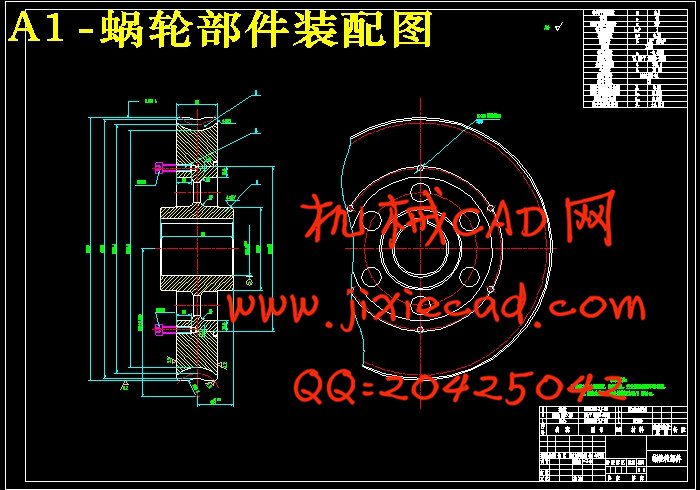
2.7 减速机构的设计(蜗轮蜗杆减速机构) 19
2.7.1 电机参数的确定 20
2.7.2 计算传动装置的运动和动力参数 21
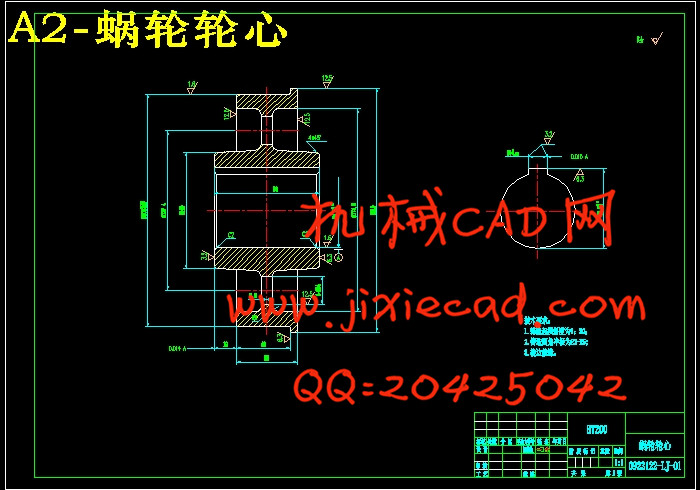
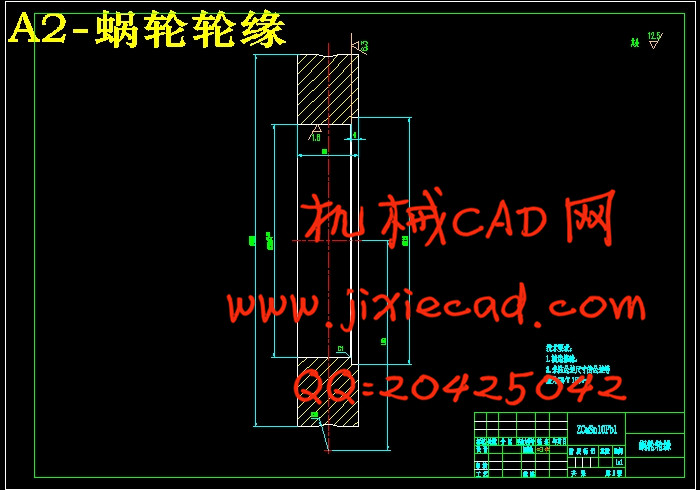
2.7.3 蜗轮蜗杆设计计算 22
2.7.4 蜗轮轴的设计 24
2.7.5 初选滚动轴承 25
2.7.6 蜗杆轴的结构设计 26
2.8 移动机器人的电源供应 27
2.9 车轮及轮毂 28
3 移动移动机器人的运动学模型 29
3.1 移动机器人的运动学分析 30
3.2 两种运动规划方法分析 31
3.3 结论 32
4 移动机器人四轮转向系统的动力学模型 33
4.1轮子 33
4.2 平台体 34
4.3 小结 34
5 自主运动控制 35
5.1 控制系统的选用 35
5.2可行性分析 35
5.2.1 单片机控制系统 38
5.2.2 系统电源设计 38
5.2.3 运动小车运动控制 39
5.2.4 移动机器人驱动电路 39
5.2.5 状态显示电路控制 40
6 结论与展望 41
致 谢 42
参考文献 43